
E-Waste Future Ready: Building a Sustainable Digital Tomorrow
Future Solution
1/13/20263 min read
In today’s hyperconnected world, technology evolves at lightning speed. From smartphones and laptops to smart appliances and electric vehicles, innovation brings convenience—but also a growing challenge: electronic waste, or e-waste. As businesses and individuals upgrade devices more frequently, the volume of discarded electronics is rising at an alarming rate. Being “future ready” means preparing now to manage e-waste responsibly, sustainably, and strategically.
Understanding the E-Waste Challenge
E-waste includes discarded electrical and electronic equipment such as computers, servers, mobile phones, televisions, batteries, and circuit boards. While these devices power modern life, they also contain hazardous substances like lead, mercury, cadmium, and brominated flame retardants. If improperly disposed of, these toxins can contaminate soil, water, and air, posing risks to human health and ecosystems.
According to the United Nations, the world generates tens of millions of metric tons of e-waste annually—and that number continues to grow. Yet only a fraction is formally recycled. The rest ends up in landfills, incinerators, or informal recycling operations, where unsafe handling practices expose workers and communities to harmful materials.
At the same time, e-waste contains valuable resources such as gold, silver, copper, platinum, and rare earth elements. Recovering these materials reduces the need for environmentally damaging mining and supports a circular economy.
Why “Future Ready” Matters
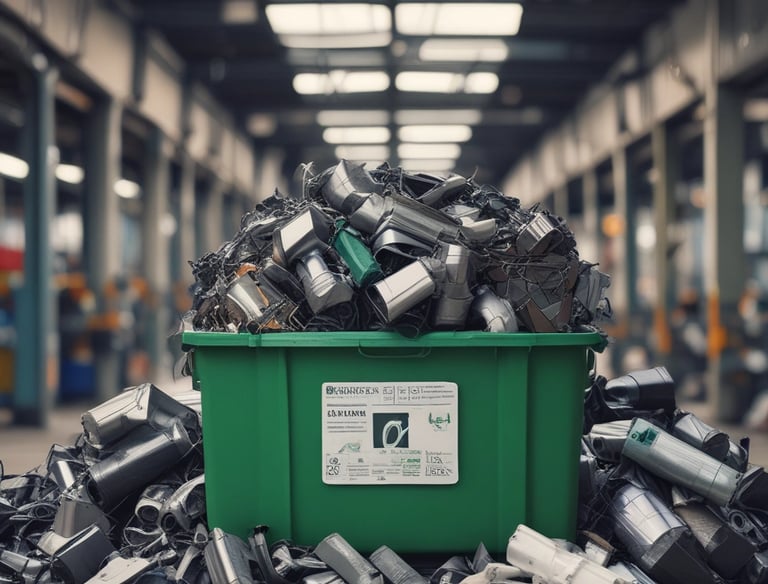
Being future ready in e-waste management is not just about compliance; it is about resilience, innovation, and responsibility. Governments worldwide are strengthening regulations around electronic disposal, extended producer responsibility (EPR), and carbon reporting. Organizations that proactively adopt sustainable e-waste strategies position themselves ahead of regulatory changes and stakeholder expectations.
Future readiness means:
Designing products for longevity and recyclability
Implementing responsible procurement policies
Establishing secure IT asset disposition (ITAD) processes
Partnering with certified recyclers
Embracing circular economy principles
Companies that integrate sustainability into their technology lifecycle management also enhance brand reputation and customer trust.


Data Security and E-Waste
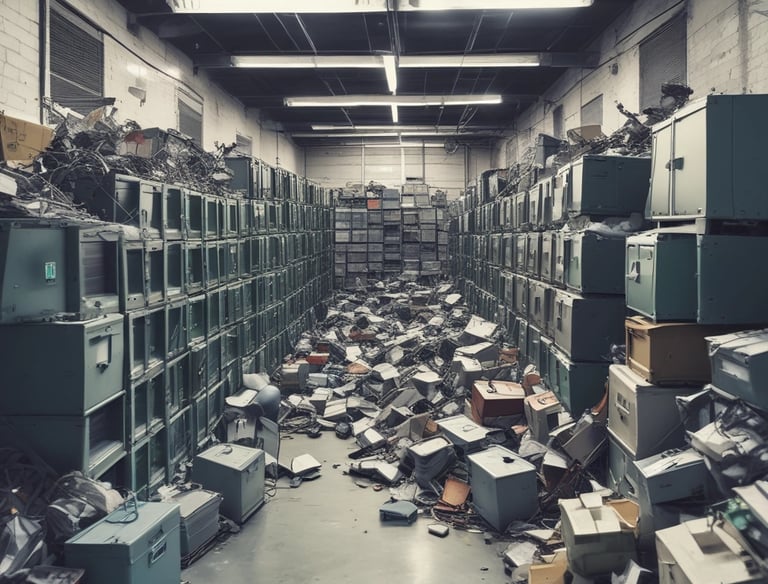
One often-overlooked aspect of e-waste management is data security. Discarded devices frequently contain sensitive information—financial records, customer data, intellectual property, and confidential communications. Improper disposal can result in data breaches and regulatory penalties.
Future-ready organizations implement secure data destruction protocols such as certified data wiping, degaussing, and physical shredding of storage devices. Partnering with certified ITAD providers ensures compliance with international standards and protects brand integrity.
The Circular Economy: From Linear to Regenerative
Traditional consumption follows a linear model: take, make, dispose. In contrast, a circular economy emphasizes reuse, refurbishment, remanufacturing, and recycling. Electronics are designed and managed so materials remain in circulation for as long as possible.
Leading technology companies are already moving in this direction. For example, Apple Inc. has introduced recycling robots to recover valuable materials from old devices, while Dell Technologies incorporates recycled plastics and closed-loop materials into new products. These initiatives demonstrate how innovation can align profitability with sustainability.
For businesses, adopting circular practices may include refurbishing devices for secondary markets, donating usable equipment, and implementing device-as-a-service models that extend product life cycles.
Innovation in E-Waste Recycling
Advancements in recycling technologies are transforming the industry. Automated disassembly, artificial intelligence-driven sorting, and advanced material recovery techniques increase efficiency and reduce environmental impact. Hydrometallurgical and bioleaching processes are emerging as safer alternatives to traditional smelting.
Governments and global organizations are also collaborating to address the issue. The World Economic Forum promotes public-private partnerships to accelerate circular economy solutions. Meanwhile, regional regulations such as the European Union’s Waste Electrical and Electronic Equipment (WEEE) Directive set benchmarks for collection and recycling targets.
As innovation scales, the cost-effectiveness and accessibility of responsible recycling continue to improve.
Corporate Responsibility and ESG Integration
Environmental, Social, and Governance (ESG) frameworks increasingly influence investment decisions and corporate strategy. E-waste management directly impacts environmental performance metrics, including carbon footprint, resource efficiency, and waste reduction.
Future-ready companies integrate e-waste into broader sustainability reporting. They track:
Volume of electronics procured and disposed
Percentage of devices refurbished or recycled
Materials recovered and reused
Reduction in landfill contributions
Transparent reporting builds trust with investors, regulators, and customers.